
One AI is crushing the competition in coding and data analysis today. Find out which model became the master of the web and why the rest are falling.. Ai Tools, Prompt Engineering, Ai Automations.
TL;DR
The AI landscape of 2026 is dominated by three giants: GPT-5.4, Claude Opus 4.6, and Gemini 3.1 Pro. Each model excels in specific domains – GPT for logic and math, Claude for human-like writing and coding, and Gemini for massive data handling and cost-efficiency. Choosing the right tool depends on whether you value natural conversation, technical precision, or the ability to process millions of tokens without breaking your budget.
Key points
-
From Chatting to Acting: AI Agents move beyond conversation to execute multi-step tasks using a closed “Action Loop.”
-
Factual Integrity: Claude Opus 4.6 leads in self-correction, while Gemini 3.1 Pro offers the best real-time web verification.
-
Specialized Strengths: GPT-5.4 remains the king of Python-based data visualization and complex mathematical logic.
Critical insight
In 2026, professional success is defined by “Model Matching” – the ability to pick the right expert AI for the specific complexity of your task.
Table of Contents
Introduction
Do you feel a bit confused with so many new AI models in early 2026? I understand how you feel.
Just yesterday we were surprised by GPT-4 or Gemini 1.5, and now, GPT-5.4, Claude Opus 4.6, and Gemini 3.1 Pro are here. They have changed everything.
Today, we’ll test these models with 5 super hard tasks:
-
Create a financial report using only verified sources
-
Write a human-sounding apology letter to a customer
-
Analyze a huge spreadsheet and find hidden shopping patterns
-
Program a complete rogue-lite game in JavaScript
-
Follow a long, rule-heavy “super prompt” without breaking any instructions
If you are a beginner and want to find the best tool for your work, let’s explore together!
I. Which AI Model Is Leading the Race in 2026?
The 2026 AI market is a high-stakes competition between three distinct giants: OpenAI’s GPT-5.4, Anthropic’s Claude Opus 4.6, and Google’s Gemini 3.1 Pro. Each model has evolved to handle millions of tokens of memory, allowing them to process entire libraries in seconds. While GPT-5.4 aims for logic supremacy, Claude focuses on human-like nuance, and Gemini prioritizes the best balance of power and cost.
Key takeaways
-
Stat: Gemini 3.1 Pro is the most budget-friendly, costing only $2.00 per 1 million tokens.
-
Comparison: GPT-5.4 behaves like a top-tier student in math, while Claude Opus 4.6 acts as a dedicated writing expert.
-
Detail: GPT-5.4 and Gemini 3.1 Pro both support a massive 1-million-token context window for thick documents.
-
Action: Use Claude’s “Agent Teams” feature to delegate sub-tasks to multiple specialized virtual workers simultaneously.
The year 2026 is very special because AI can now think very deeply. They can remember thousands of pages of documents in just a few seconds.
Now, let’s look at each name in detail.
1. GPT-5.4: The Ambitious New Version from OpenAI
First is GPT-5.4. This is the newest version that OpenAI just released to get back to the number one spot.
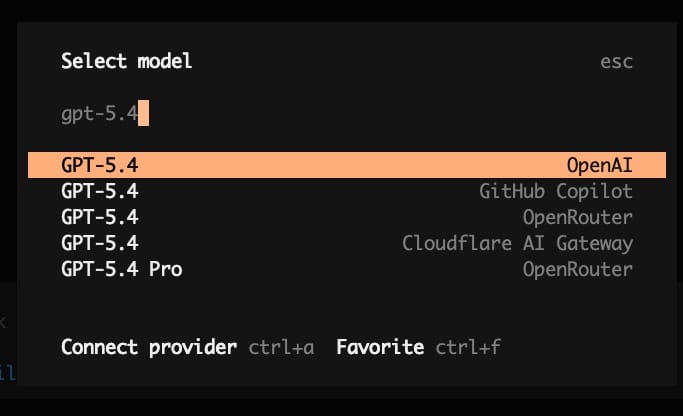
You can find it easily on platforms like OpenRouter with a pretty good price. Here are the things that I found most impressive:
-
It can remember up to 1 million tokens at the same time. This is like remembering a very thick book.
-
The price right now is about $2.50 for every 1 million tokens you send to the AI.
-
It responds very fast. You almost never have to wait long for an answer.
-
Its skills in math and solving difficult logic problems are much better than before.
I feel that GPT-5.4 is like a top student in class. It always tries to answer all your questions in a very detailed way.
2. Claude Opus 4.6: The Expert in Writing and Coding
Next is Claude Opus 4.6 from Anthropic. If you like an AI that talks like a real person, this is your best choice. I used this version for writing, and I really saw how different it is from the others.
-
It is famous for a writing style that feels very natural and warm.
-
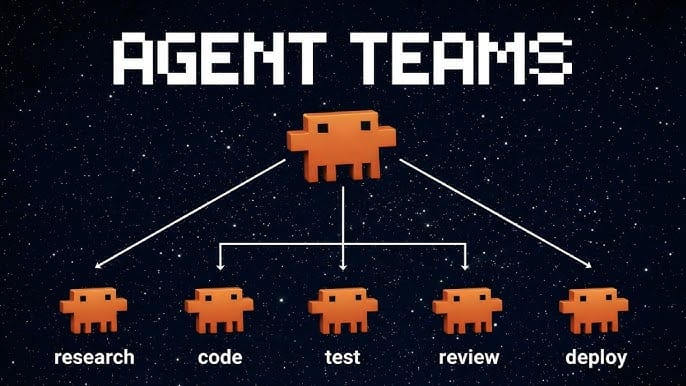
The Agent Teams feature is a big plus. It helps the AI divide work among other “virtual workers.”
-
However, the price is a bit expensive if you use it to read very long documents.
-
It is very careful. It rarely gives out information that is dangerous or wrong.
I often call Opus 4.6 a “dedicated expert” because it always takes good care of every word it writes for you.
3. Gemini 3.1 Pro: The “Beast” of Performance from Google
Finally, we have Gemini 3.1 Pro, a product from Google DeepMind. This is the model that I think has the best balance between power and your wallet. Google did a great job making this AI both smart and cheap at the same time.
-
The price is only about $2.00 for 1 million tokens. This is the cheapest out of the three.
-
It is extremely good at science subjects. It got a very high score of 94.3% on the GPQA test.
-
This is the only AI that can understand videos and audio directly without changing them into text first.
-
It can read a whole library of books because it has a memory of 1 million tokens.
If you need to do many things at once but don’t want to spend too much money, Gemini 3.1 Pro is a great assistant. Now you have met the “rivals,” right? But the most important question is: “Do they tell the truth?”.
To answer this, let’s move to our first test about making reports using real information.
Learn How to Make AI Work For You!
Transform your AI skills with the AI Fire Academy Premium Plan – FREE for 14 days! Gain instant access to 500+ AI workflows, advanced tutorials, exclusive case studies and unbeatable discounts. No risks, cancel anytime.
Start Your Free Trial Today >>
II. Test 1: Create Reports with Real Sources to Trust
Combatting “hallucinations” remains a priority, with each model using different verification methods for financial and research reports. Gemini 3.1 Pro utilizes deep Google Search integration for factual accuracy, whereas Claude Opus 4.6 proactively warns users if the input data looks suspicious. GPT-5.4 is highly detailed but can sometimes “invent” extra information to make a report appear more comprehensive than it is.
Key takeaways
-
Fact: Claude Opus 4.6 will explicitly state “this data looks wrong” if it detects contradictions in your files.
-
Comparison: Gemini provides precise decimal accuracy for stats but often lacks a professional internal layout for links.
-
Detail: GPT-5.4’s detailed output is impressive but requires human oversight to filter out potential “filler” facts.
-
Tool: Use a “Rule-Based Prompt” to force the AI to admit “Missing data” rather than guessing a result.
Imagine this: you ask it to write a report. It gives you very strong numbers and links. But when you click them… the link is broken or the number is just made up by the AI.
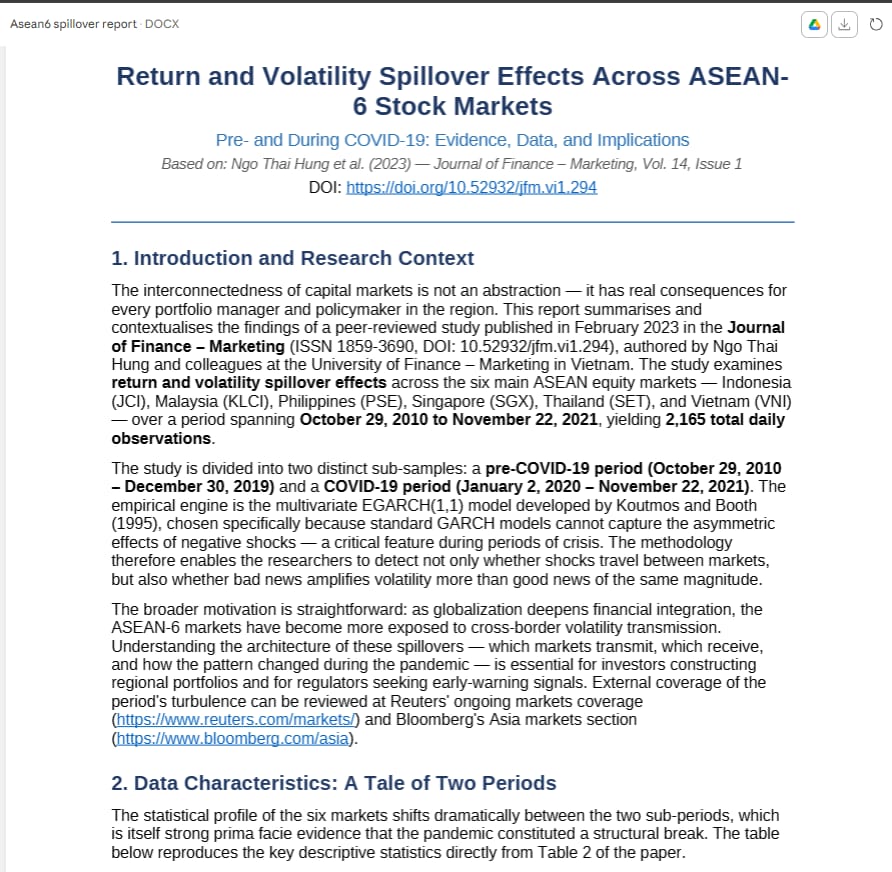
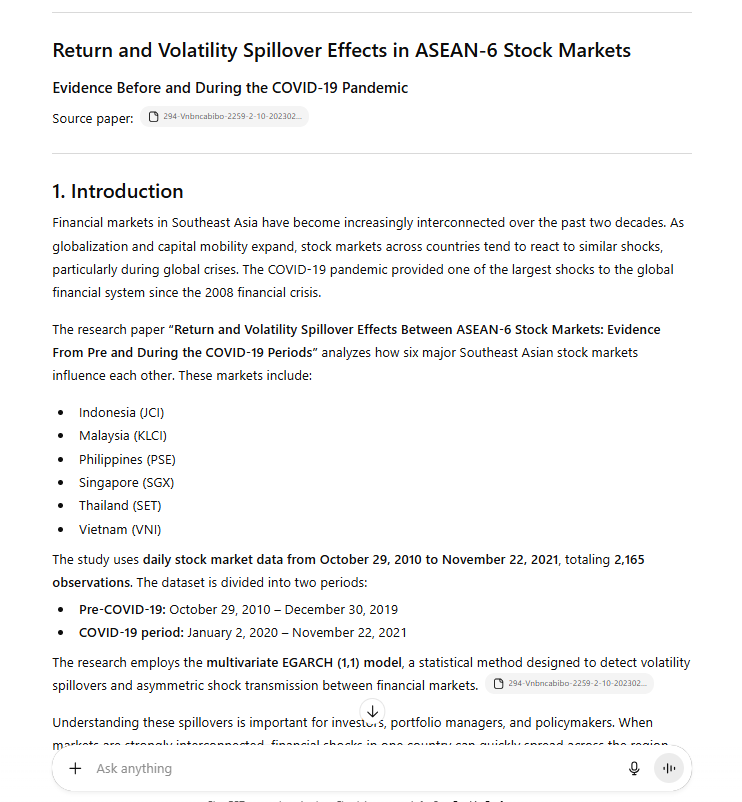
To see which one is the most “honest,” I prepared a raw PDF file. This file has real financial data from the Southeast Asia stock market in 2025. I asked all 3 models to write a 1,500-word report. I also told them to use real links from famous sites like Bloomberg or Reuters.
1. The Real Test: Checking Sources
After putting the data into the “grinder” of the 3 models, here is what I found:
Gemini 3.1 Pro:
-
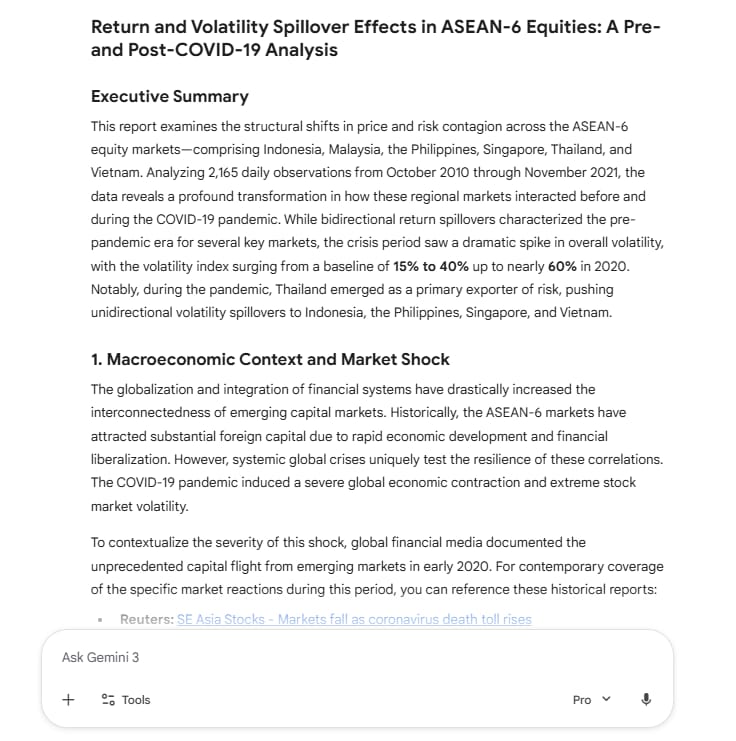
Because it is the “favorite child” of Google, it connects to Google Search very well. It checks data very quickly.
-
The GDP numbers for Vietnam or Thailand were exactly like my original file. It was correct down to every decimal point.
-
However, Gemini is sometimes a bit “lazy” with the layout.
-
It often puts all the links at the end of the post instead of putting them inside each paragraph.
Claude Opus 4.6:
-
I am really impressed with how Claude writes. The report it created was smooth and professional, like it was written by an expert.
-
About honesty, it was almost perfect. I tried to put some fake information in the file to “trap” it.
-
Opus immediately warned me: “This data looks wrong compared to reality, I will use the correct data instead.”
-
I give Claude a high score because it can check its own work.
GPT-5.4:
-
It writes in great detail. At first look, the report seems very full and impressive.
-
But there is a bad point: GPT-5.4 sometimes “draws” a few extra small parts that are not in the source file.
-
It does this just to make the report look longer.
-
If you just read quickly, you might believe these ideas, but they are actually created from nothing.
2. A Detailed Prompt Example for You
I encourage you to try this yourself with your own data. You can copy the exact prompt I usually use to “test” the AI like this:
Please analyze the data file I just sent carefully. Write a summary report for a manager with these rules:

Rule 1: Only use the numbers that are in the file I provided.

Rule 2: If you cannot find any information in the file, write clearly 'Missing data' or 'Not found'.

Rule 3: Give at least 5 direct links from famous news websites to check the same information.

Please be very clear and honest.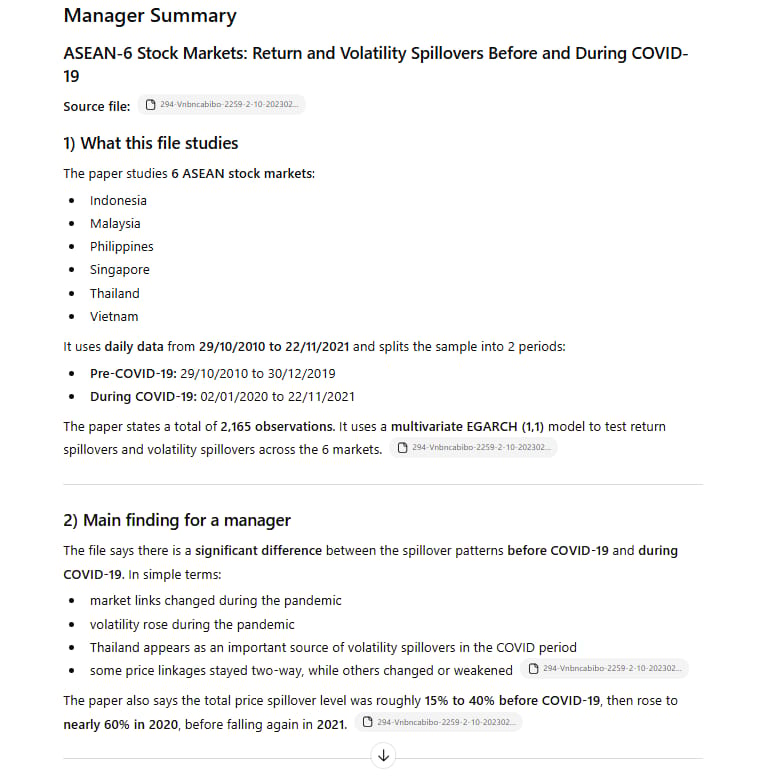
III. Test 2: Write Anything Like a Real Person
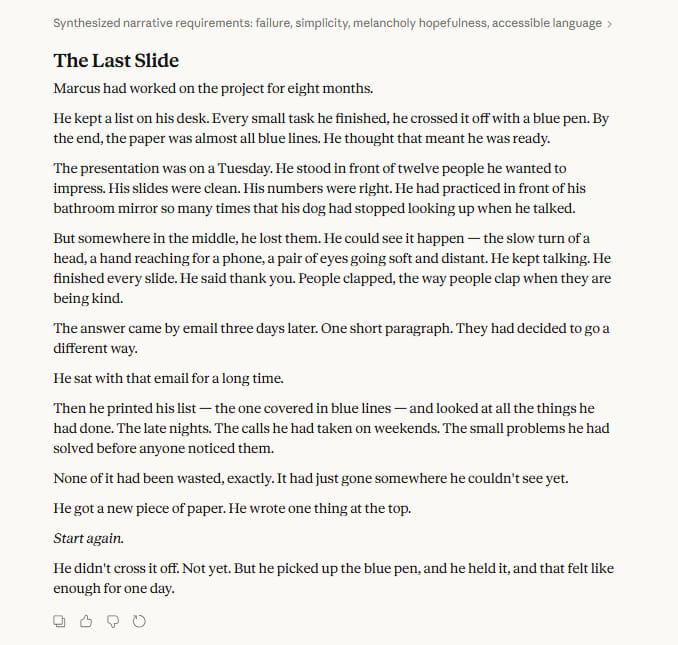
I asked the 3 models to write an apology letter to a customer because a package was late. I wanted it to sound very sincere.
I noticed that when I use Claude, I don’t have to fix many words. With GPT, I usually have to say: “Rewrite this like a normal person talking at a coffee shop. Don’t use difficult words.”
You can try this prompt to see the difference:
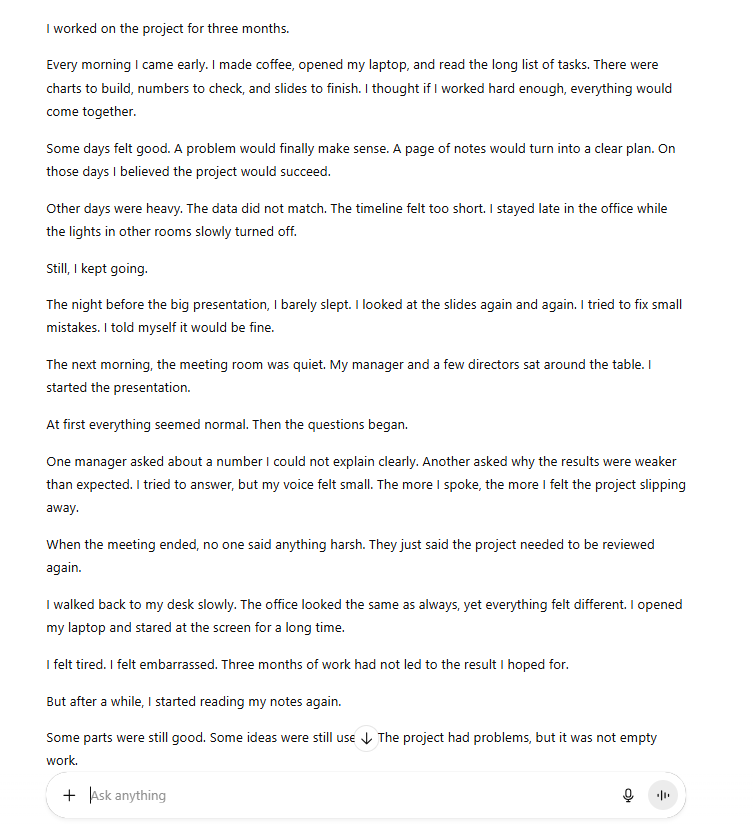
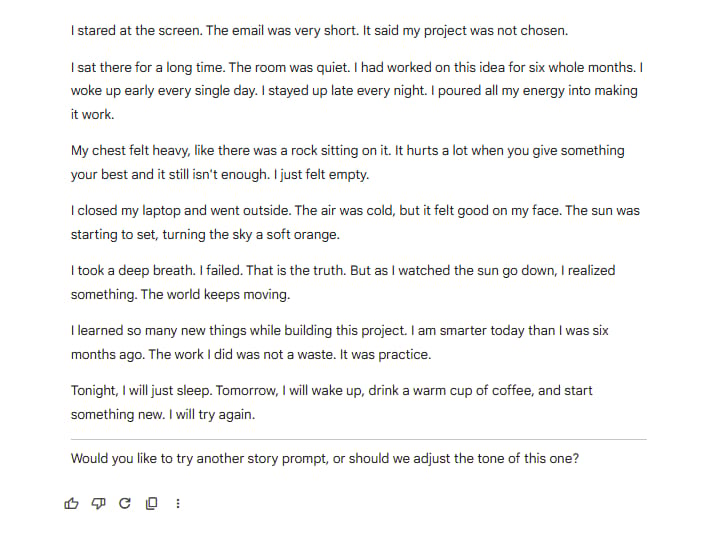
Write a short story about failing a big project. Don't use the structure 'not only... but also'. Write simply, a bit sad but still hopeful. Use very common words.Claude Opus 4.6: It is the winner. Claude knows how to use short sentences and natural pauses. It does not use too many “big” words. It writes like a friend who is truly sorry.
GPT-5.4: It sounds a bit too professional. It feels like a legal department wrote the letter to avoid a lawsuit, not like a real apology. The sentences are often very long and difficult to read.
Gemini 3.1 Pro: Gemini is in the middle. It writes well and is easy to understand, but sometimes the ending feels a bit like a template.
IV. Test 3: Find the Deepest Data Insights from Databases
If you are a student or a business owner, you will definitely care about this part. I have spent a lot of time testing how these AIs read spreadsheets and long reports.
To make it a real challenge, I uploaded a big Excel file with 50,000 rows of sales data from a local shop. I asked the AI to find the strangest shopping patterns that a human might never notice.
Let’s break down their personalities.
1. Gemini 3.1 Pro: The Machine with a Massive Memory
This model has a massive “brain” that can remember 1 million tokens at one time. To put it simply, it can read an entire library of books in seconds.
Because it can hold so much information, it read my entire sales file in just one second. It did not miss a single row of data in that huge file.
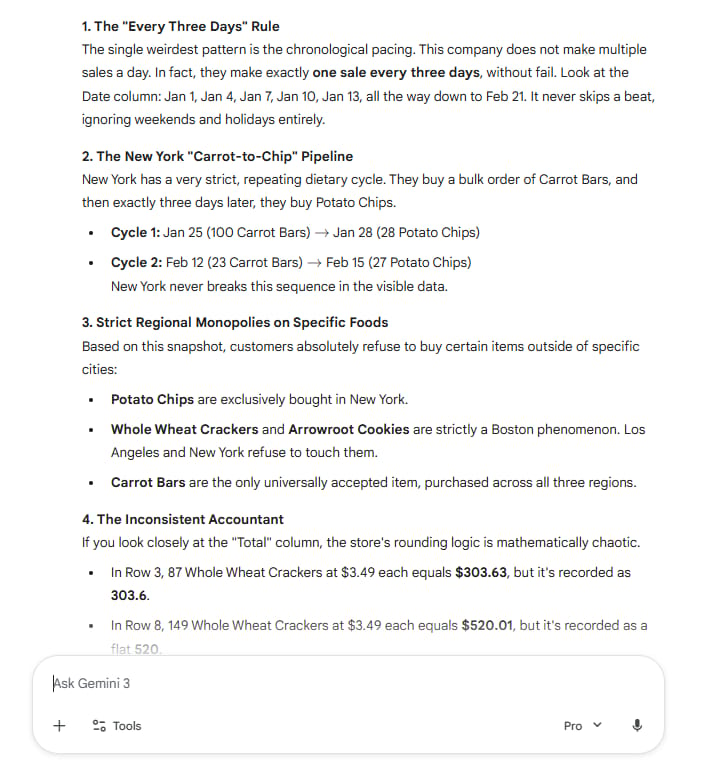
This is a very specific tip that helps a shop owner know exactly what to put on the front shelf. I was really surprised it could see that so quickly!
2. Claude Opus 4.6: The Psychologist Who Understands Feelings
Then we have Claude Opus 4.6. This model acts more like a psychologist than a math teacher. It is not just about the numbers for Claude; it is about the people behind the numbers.
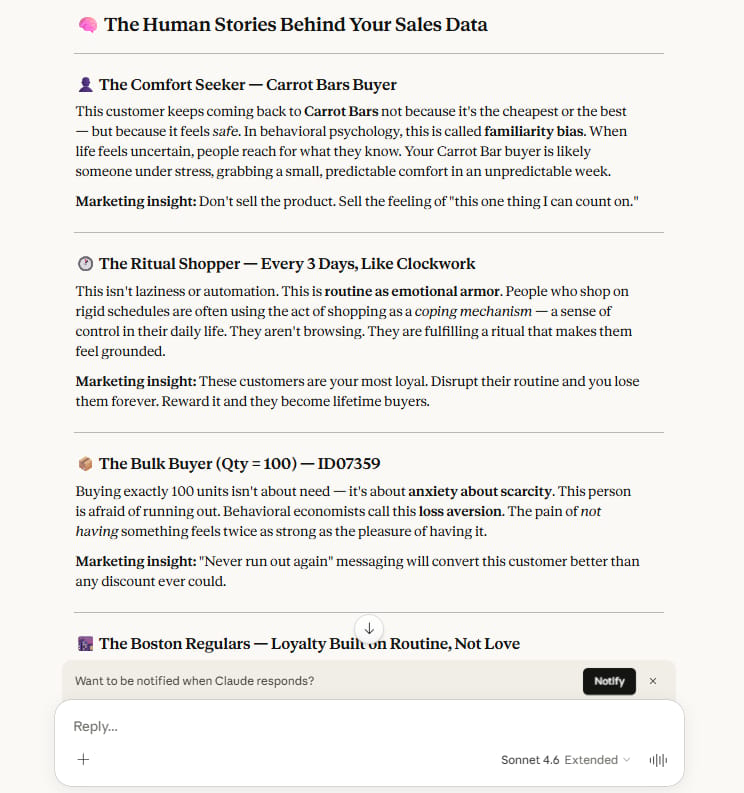
It does not just give you a list of boring percentages. Instead, it tries to explain the “why” behind the customer’s behavior.
It looks at the feelings and the reasons for the trends, which is very helpful if you have a marketing team trying to connect with people.
The only downside is that Claude has a smaller memory than Gemini. If your file is too big, it might give an error and stop. It is great for deep thinking, but not for very heavy files.
3. GPT-5.4: The Math Expert Who Loves Making Charts
Finally, there is GPT 5.4. This model is a true expert when it comes to math and logic. If you want someone to do the hard work for you and show it visually, this is the one.
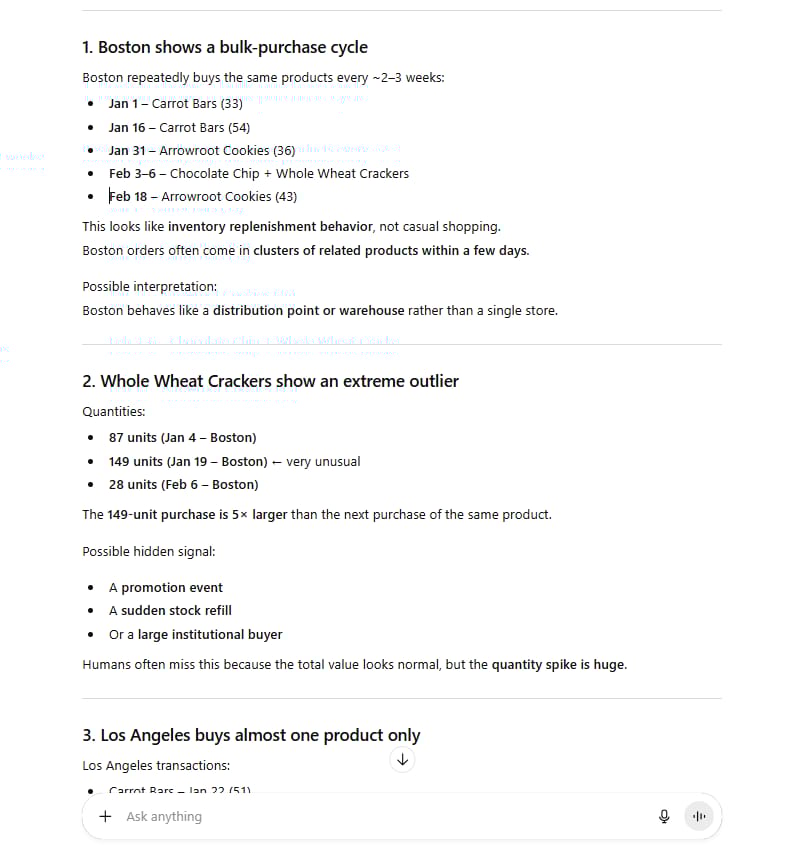
It can write Python code directly in the chat to create beautiful charts and graphs. I watched it write the code in real-time, and it even asked me what colors I wanted for my charts!
If you need a clear chart of your sales growth for a school report or a meeting, it is the best assistant. GPT 5.4 makes the data look very professional and easy for anyone to understand at a glance.
2. So, Which Model Should You Pick for Your Data Tasks?
I have made it very simple for you to choose based on what you need to do today. You don’t have to guess anymore.
-
Use Gemini if you have a massive amount of data, like a 1,000-page report or a huge Excel file.
-
Use Claude if you want to understand the human side of the numbers and the reasons behind the trends.
-
Use GPT 5.4 if you need to do complex math or make beautiful charts for a school project or a presentation.
V. Test 4: Create Complex Games Smoothly
Finding secrets in your data is like being a detective, but building a game from scratch is more like being a creator. I wanted to see which of these models is the best “head engineer” for your next big project. Let’s look at how they handle a really difficult coding task.
I asked them to program a “Rogue-lite” game using JavaScript. This game needed random items, smart enemies, and a way to save high scores. Here is what I found.
1. Claude Opus 4.6 Is a Beast in Coding
Claude Opus 4.6 is my top choice for any coding project. What I like most is that it doesn’t just give you a pile of code and leave you alone.
Instead, it explains why it chose certain parts or functions.
But there is a small thing for beginners to remember. Claude cannot run the whole game for you inside the website.
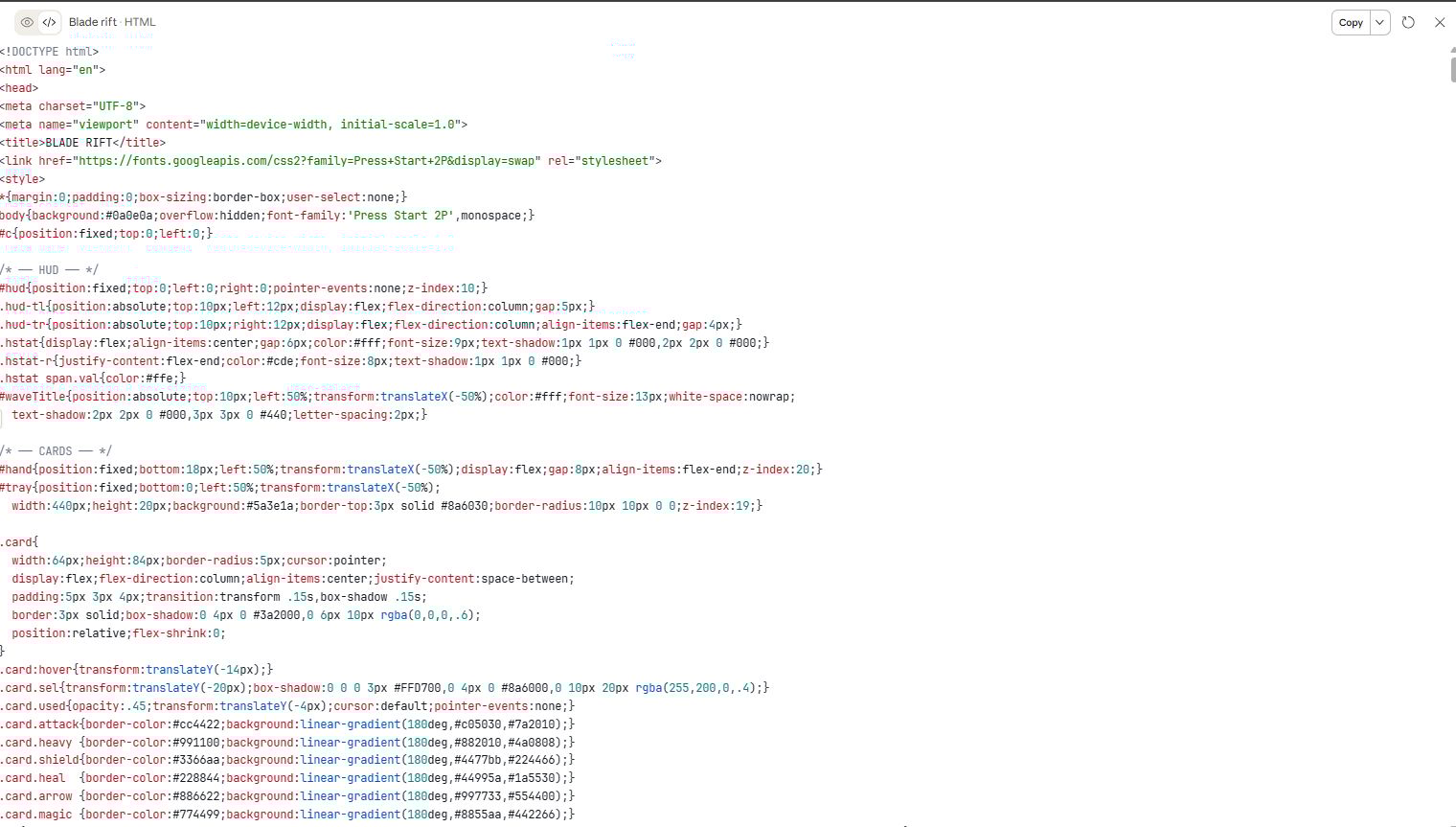
After it finishes writing the long code (like you see in image below with all the HTML and CSS), you need to do a simple step:
-
Step 1: Copy all the code that Claude wrote.
-
Step 2: Save it into a folder on your computer (for example, a file named
index.html). -
Step 3: Open that file with your web browser like Chrome or Safari.
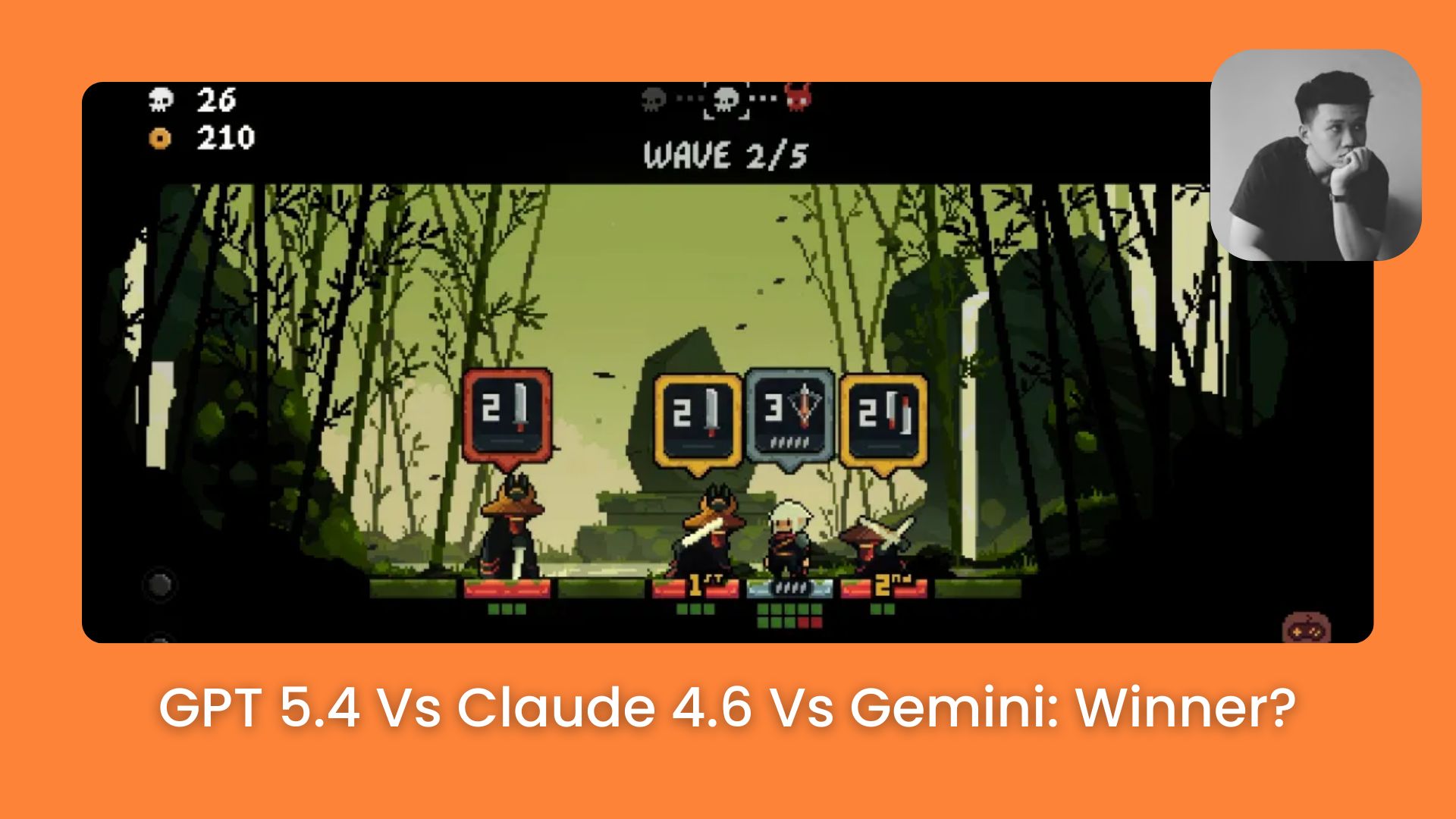
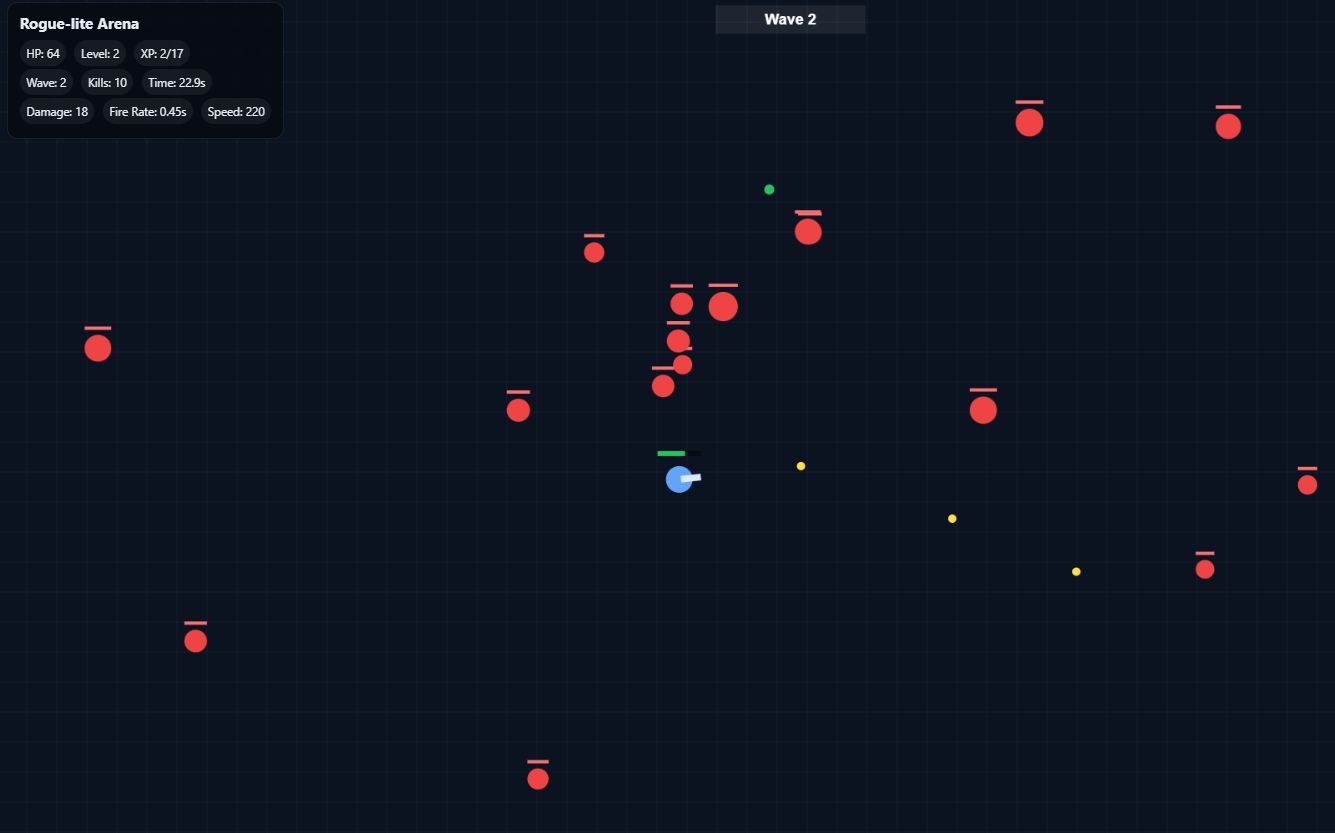
The result will really shock you! As you can see in the image below, the game “Blade Rift” appears with beautiful pixel art. It has health bars, cards, and enemies.
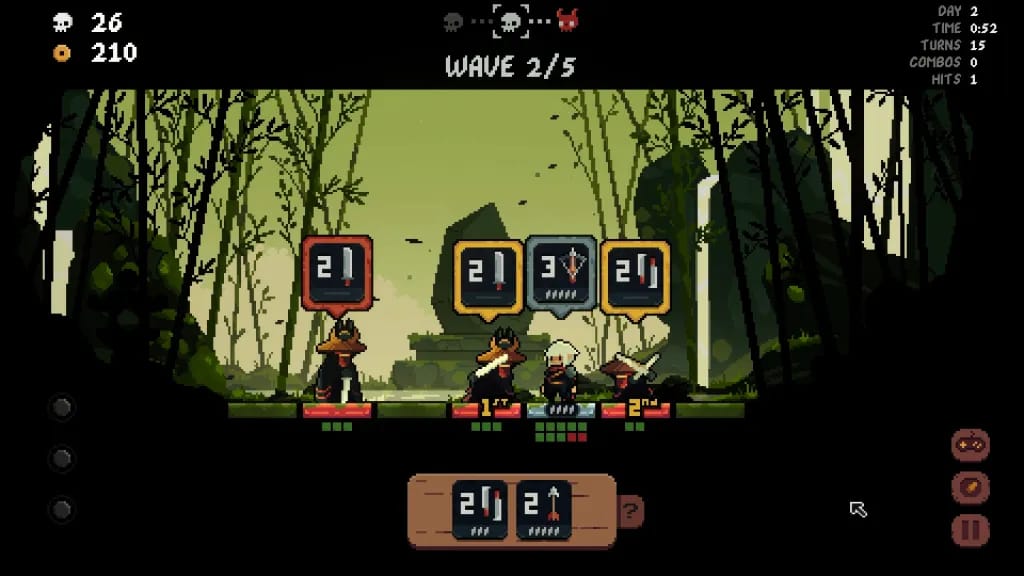
Everything worked perfectly on my first try. I did not have to fix even one line of code. Because it can give 128,000 tokens of output, Claude can write the whole game without stopping.
2. GPT-5.4 Is a Helpful Assistant with Small Errors
GPT 5.4 also did a very good job with the game. It gave me the full code and even suggested adding some cool sound effects to make the game better.
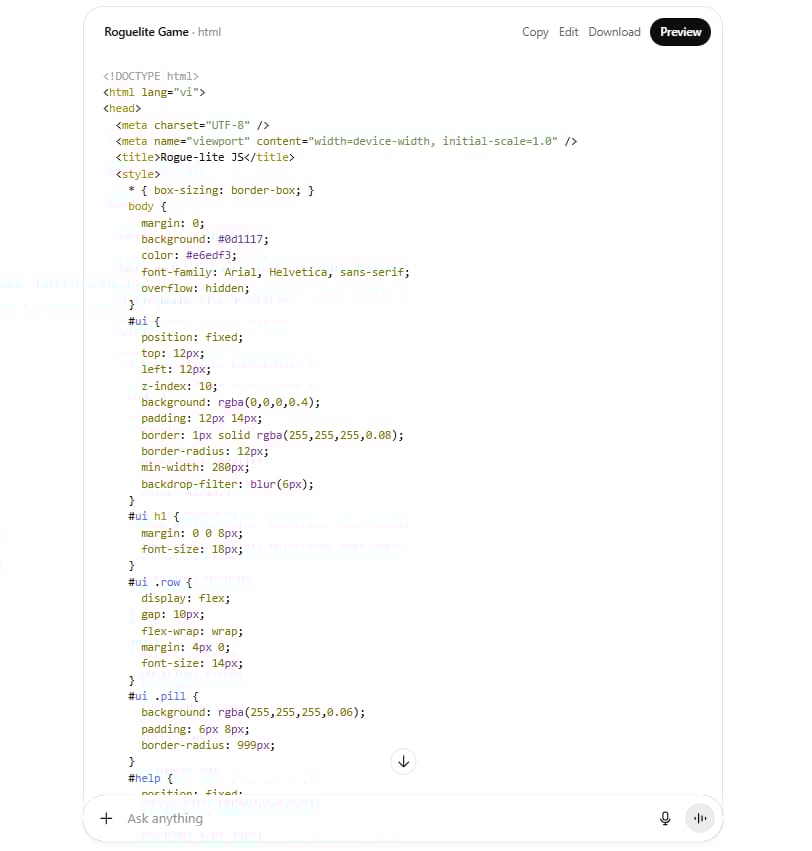
However, I found a small mistake in the part that saves the player’s score. It used an old function that might not work well on the newest web browsers. You might need to check the code carefully if you use this model.
3. Gemini 3.1 Pro Is the Fastest but Needs More Logic
Gemini 3.1 Pro is famous for being extremely fast. It wrote the code for the whole game much quicker than the other 2 models.
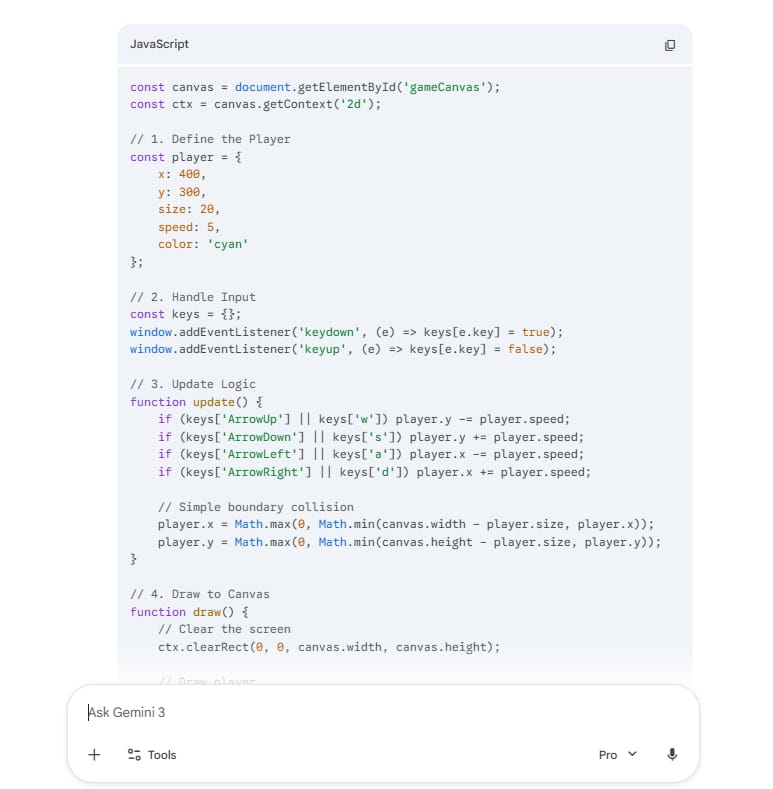
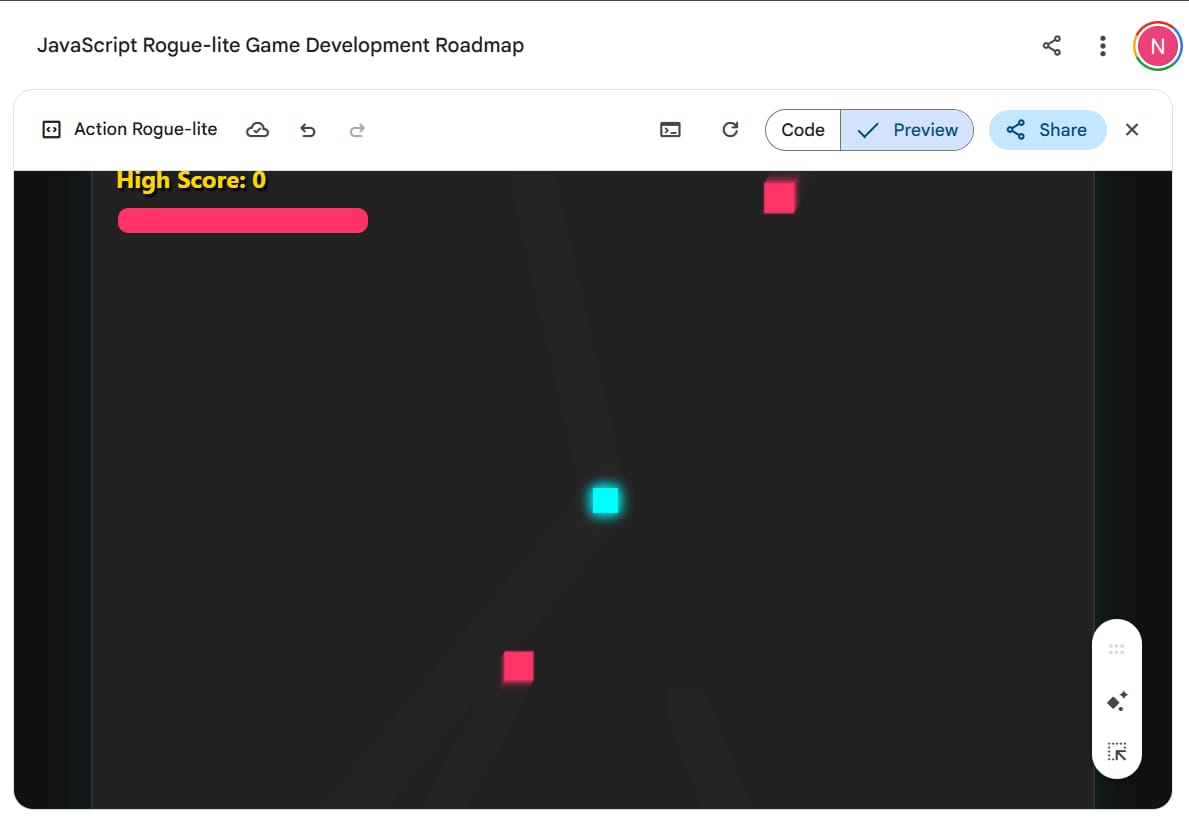
But the logic for the enemies was a bit “stupid.” They just walked into walls or stood still for no reason. It is great for a quick start, but maybe not for a finished product.
You can try this coding prompt yourself to see their skills:
Write the code for a 'Snake' game but in a cyberpunk style.

The snake must go faster every 5 pieces of food.

Add random obstacles on the screen. Split the code into three parts: GameLogic, UI, and InputHandler.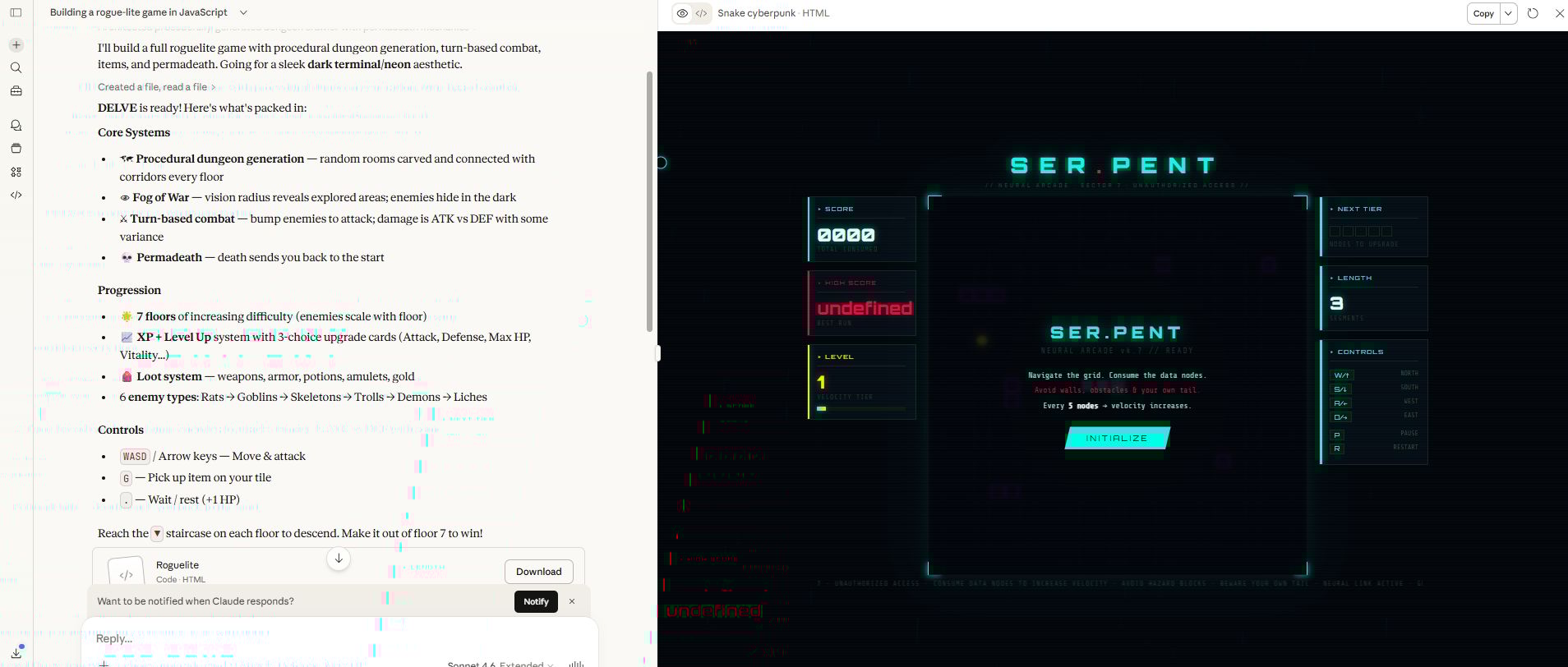
VI. Test 5: Following the Most Complex Prompts
Coding is all about logic and following rules. But how well can these models follow a very long list of instructions without getting confused?
This skill is called “Prompt Following.” To test this fairly, I created a very difficult “Super Prompt.” I wanted to see which of these three giants is the best at listening to every single detail.
You are a professional film critic writing for an international cinema journal. Your task is to produce a structured analytical movie review that follows multiple simultaneous constraints involving structure, language control, formatting, and semantic coherence.

Follow every rule precisely.

Structural Constraints
1. The review must contain exactly six paragraphs.
2. Each paragraph must begin with a letter that follows the sequence of CINEMA:
   Paragraph 1 → C
   Paragraph 2 → I
   Paragraph 3 → N
   Paragraph 4 → E
   Paragraph 5 → M
   Paragraph 6 → A
3. The first word of each paragraph must start with that letter.

Language Constraints
4. The word “great” must never appear anywhere in the review.
5. Maintain a professional film-critic tone.
6. Use varied vocabulary.
7. Each paragraph must contain at least one filmmaking insight.

Director Constraint
8. The director’s name must appear exactly three times.
9. Each mention must appear in different paragraphs.

Content Requirements
10. Cover these topics:
   - Plot overview
   - Character performances
   - Visual style
   - Narrative pacing
   - Cultural impact
   - Final evaluation

Table Requirement
11. After the review, create a comparison table with three similar films.
12. Columns must include:
   Film | Director | Year | Key Similarity | Why Someone Might Prefer It
13. Do not repeat the reviewed film in the table.
Claude Opus 4.6: It followed 100% of the rules. It is very careful and checks its own work.
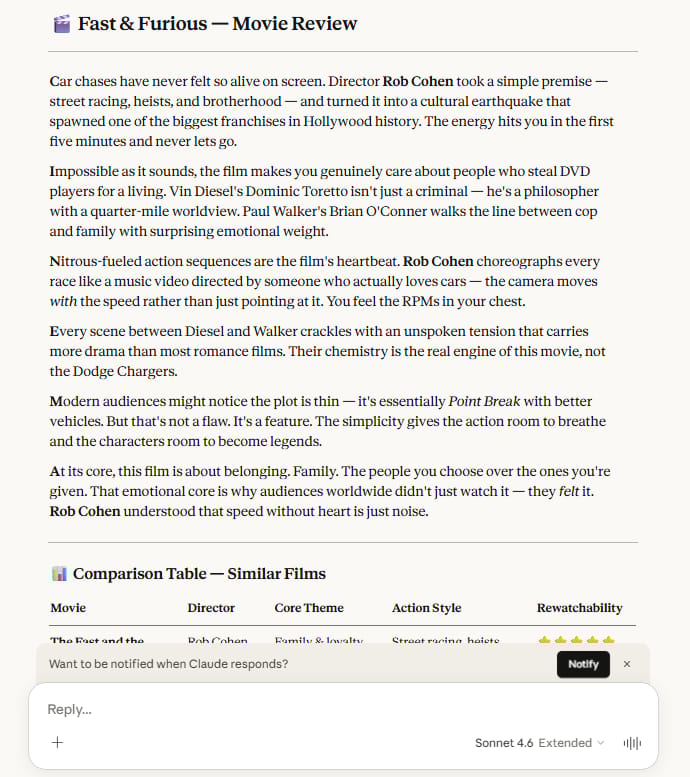
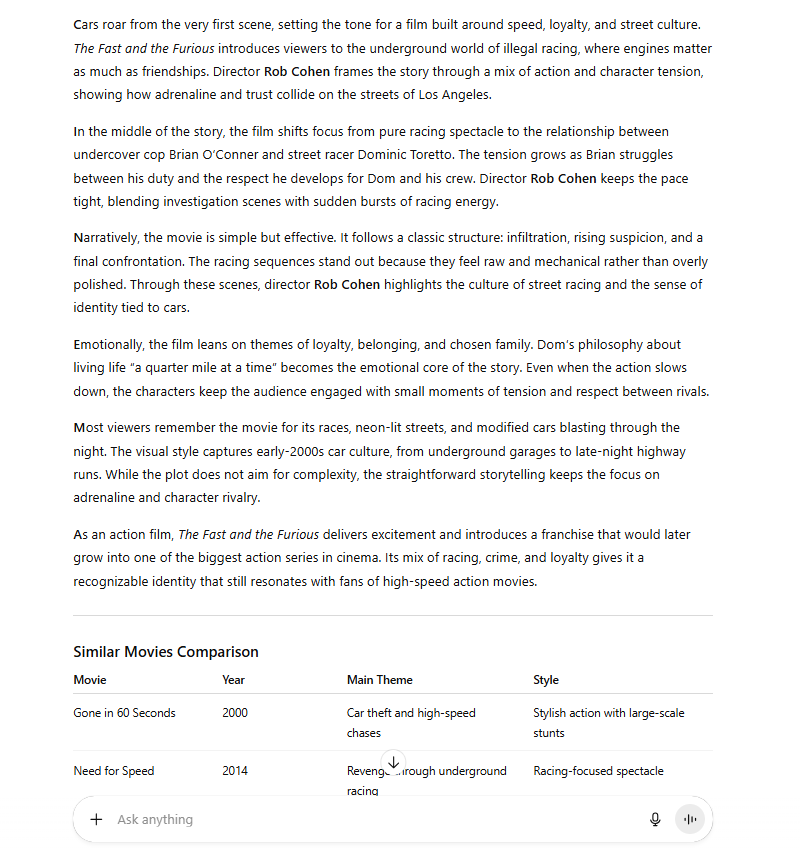
GPT-5.4: It forgot rule number 2 in the 4th paragraph. GPT usually focuses on the story and forgets the specific rules when the prompt is too long.
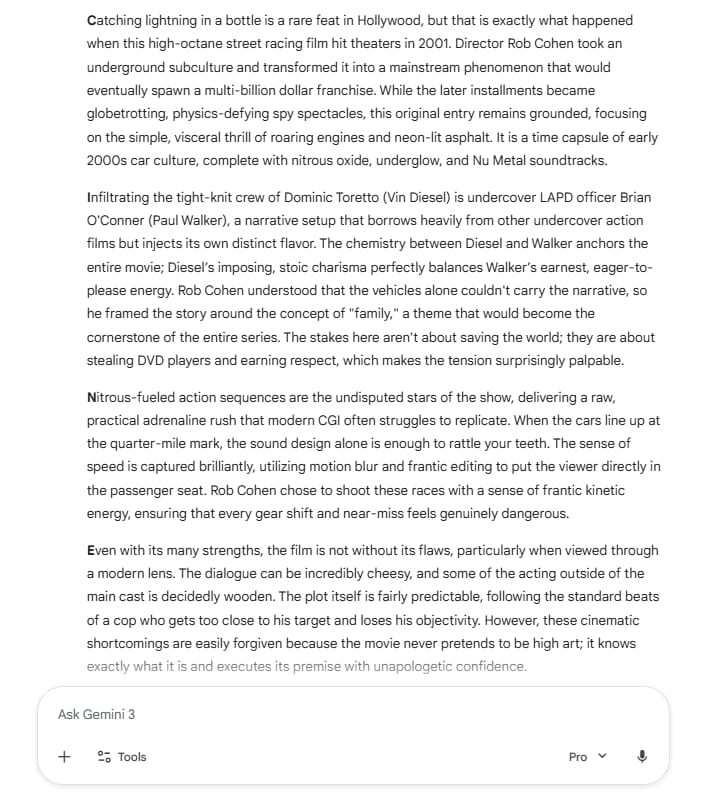
Gemini 3.1 Pro: It followed the story rules well, but the table at the end was very simple and missing deep information.
If you have a lot of rules for the AI, I suggest you don’t give them all at the same time. It is much better to break your instructions into smaller, easier steps.
But if you are feeling a bit lazy and want to send one long prompt, Claude is the most “obedient” listener today. It will save you a lot of time because you won’t have to fix its mistakes.
VII. Comparison Table: GPT-5.4 vs Claude Opus 4.6 vs Gemini 3.1 Pro
We have gone through many tests together, from writing letters to coding games. This table is like a “cheat sheet” that you can look at whenever you feel confused. It covers the price, the memory, and how “human” each model feels when it talks to you.
|
Feature |
GPT-5.4 (OpenRouter) |
Claude Opus 4.6 |
Gemini 3.1 Pro |
|
Price (per 1M tokens) |
$2.50 (Input) |
$5.00 (Input) |
$2.00 (Input) |
|
Memory (Context) |
1 Million Tokens |
200K (1M beta) |
1 Million Tokens |
|
Coding Skill |
Very Good |
Excellent |
Very Strong |
|
Human Style |
7/10 |
10/10 |
8/10 |
|
Best for… |
Math and Charts |
Writing and Logic |
Big Files and Value |
VIII. How to Choose the Right AI Model
After our tests, you probably have a favorite. But the best choice depends on your money and your goal.
1. If you are a writer or a programmer
I suggest you use Claude Opus 4.6. Even if it is expensive, the quality is so high that you don’t need to spend hours fixing the results. It feels “real.”
2. If you are a student or a small business
Gemini 3.1 Pro is the best deal of 2026. You can upload a 2-hour video of a meeting or a pile of school books, and it will analyze them for a very low price. It also works inside Google Docs, which is very helpful for office work.
3. If you like new tech and need strong math
GPT-5.4 is still a classic. Its ability to use tools and run Python code is very smooth. If you already use OpenAI tools, you will like GPT-5.4, especially for technical problems.
IX. Frequently Asked Questions
1. Is GPT-5.4 Smarter Than a Human?
No, but it can process information much faster than we can. It is like a huge library that can talk. But it does not have real human feelings or intuition.
2. Where Can I Try These Models?
You can try small versions for free on their websites. For the full Pro or Opus versions, you usually have to pay. A good tip is to use OpenRouter or EvoLink. You only pay for what you use, which is great for beginners.
3. Why is Claude More Expensive Than Gemini?
Anthropic focuses on making the AI very safe and its language very beautiful. It is like buying a handmade item compared to a factory product.
Conclusion
The fight between GPT-5.4 vs Claude Opus 4.6 vs Gemini 3.1 Pro does not have a loser. Every model is good for different things. The most important thing is not which one is the “strongest,” but how you ask the right questions (prompts).
I hope this post helped you understand these tools better. Don’t just read; go and try them! AI changes every day, and the best way to learn is to use it.
If you are interested in other topics and how AI is transforming different aspects of our lives or even in making money using AI with more detailed, step-by-step guidance, you can find our other articles here:
-
Building Apps with Bolt: A No-Code Guide to Turning Ideas into Reality
-
Detailed Guide: How To Automatically Get Unlimited High-Quality LinkedIn Jobs*
-
Prompt Engineering Automation: Build a Mini AI Assistant with n8n
-
Discover My Ultimate AI Tools Productivity Kit for 2024*
*indicates a premium content, if any
Leave a Reply